

Thank you for Subscribing to Eldercare Review Weekly Brief

Holland Home
John Mulder, Chief Medical Consultant for Hospice and Pallaitive Care
Palliative Care Is Not A Prognostically-driven Specialty
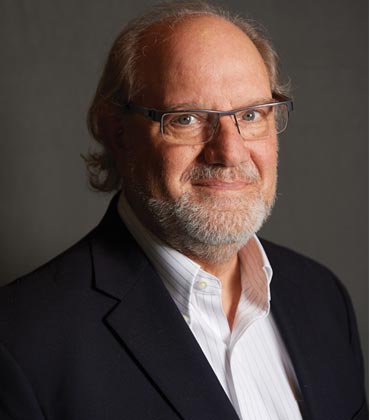
John Mulder
Dr. John Mulder, a leading physician in hospice and palliative care, is dedicated to improving patients’ life experiences with expertise and compassion. As Chief Medical Consultant, he has spent over 18 years advancing patient-centered care. He also served as Executive Director of the Trillium Institute and Medical Director of Palliative Services. A graduate of Wayne State University School of Medicine, he is a recognized voice in his field, sharing insights on palliative care and innovative treatments. His work in education and leadership continues to shape the future of hospice medicine, always striving to enhance the quality of life for those facing serious illnesses.
In this article, Mulder emphasizes the significance of palliative care and its role in improving the quality of life for patients facing serious illnesses, including discussions on innovative approaches to improving those patients’ lives. Several years ago, I was asked to see a 21-year-old man in the hospital. He had been diagnosed with Burkitt lymphoma, a cancer typically found in young men and considered curable. This young man found the treatments intolerable, particularly the nausea and vomiting. He was unwilling to continue with any further tumor-directed therapies. He believed he was ready to develop an end-of-life plan. I applauded the oncologist for bringing me into his care team. However, like many clinicians today, his doctor had a misconception about palliative care specialists’ work. We are not just trained to help people die. We are specialists in the management of complex symptoms and side effects—physical, emotional, social and spiritual—that make chronic and terminal illnesses challenging to bear. We have a toolbox of interventions of which many (if not most) other clinicians are unaware. I was not ready to let this young man die. I suggested we start by treating his nausea. While he and his other doctors thought they had already tried everything, he was willing to give my recommendation— part of a palliative physician’s bag of symptomatic tricks—a try. He began my treatment that day. The next day, we met over chicken nuggets and a Coca-Cola. He continued with my treatments, finished his chemotherapy and to the best of my knowledge, his cancer is still in remission. Integrating Palliative Care With Advanced Disease Management In geriatric medicine, there is no cure for old age. But for patients with advanced illnesses, there is often much more we can do to give patients the chance for a longer, more vital life span than has been prognosticated. Research has demonstrated that, at least in the advanced lung cancer population, if you offer a palliative consultation early after diagnosis, patients have a better quality of life with a lower symptom burden, 50 percent less depression and even live longer than those who receive standard oncology care.Palliative care is not a service reserved for the end of life. Rather, we need to advance an awareness that we help alleviate suffering for patients and their families regardless of where they are in their illness journeys.
The articles from these contributors are based on their personal expertise and viewpoints, and do not necessarily reflect the opinions of their employers or affiliated organizations.
